
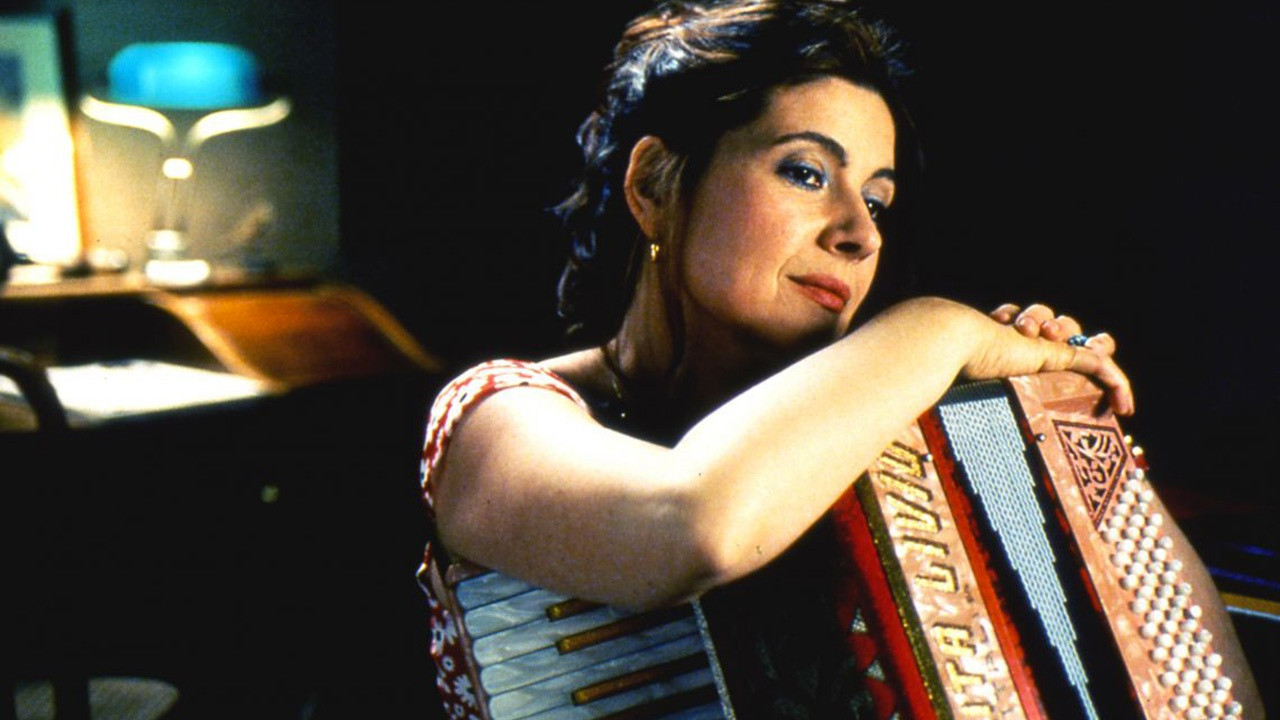
#1 Spotlight
Bread and Tulips
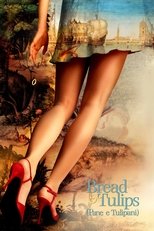
An endearing light comedy about a woman who spontaneously becomes a resident of Venice after her family left her behind. While enjoying the wonderful people she meets she achieves a new life and the first time…
Cinetaro: Italian films for the whole household, from The Best of Youth, Bread and Tulips and Caro diario to Italian Race and Watch Out, We're Mad, and where to watch them
208 films in Italian, 1960 to 2026: comedies, family stories, romances and true stories.
Trending
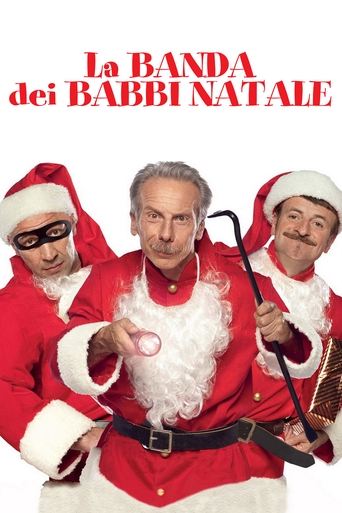
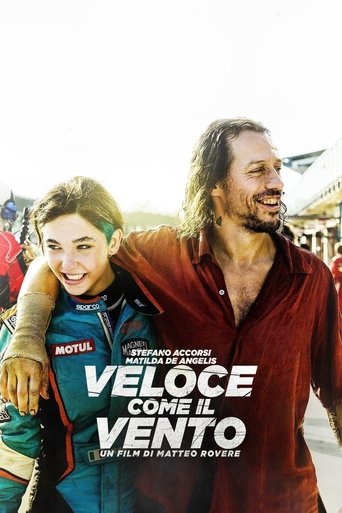
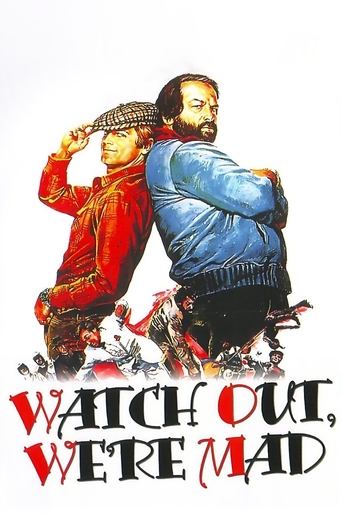

Browse by list


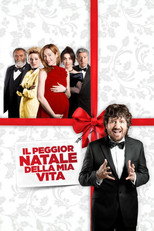
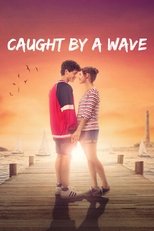

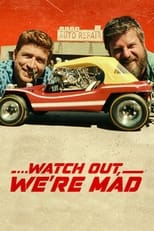

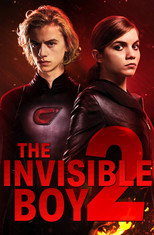
Latest films
View more ›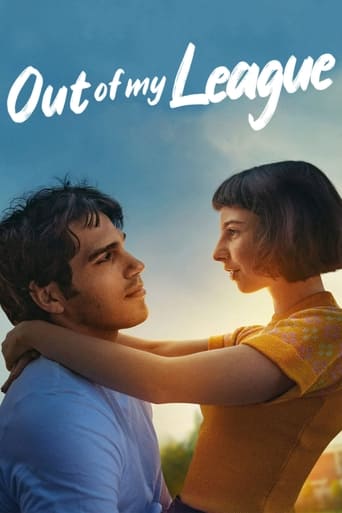


Classics
View more ›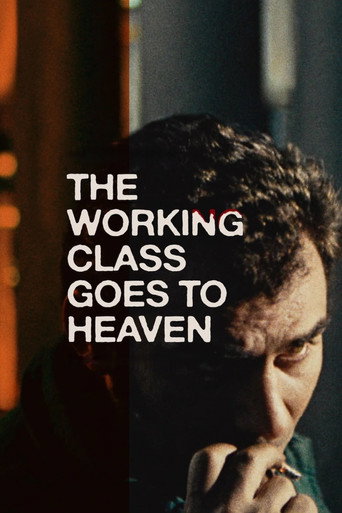
Family
View more ›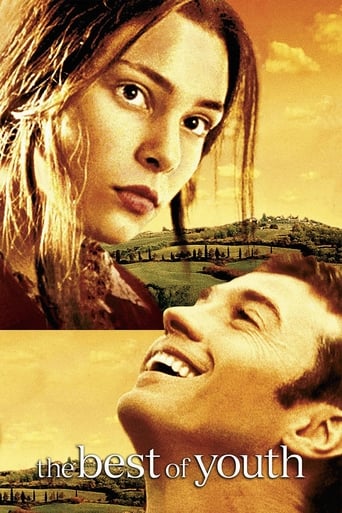

Romance
View more ›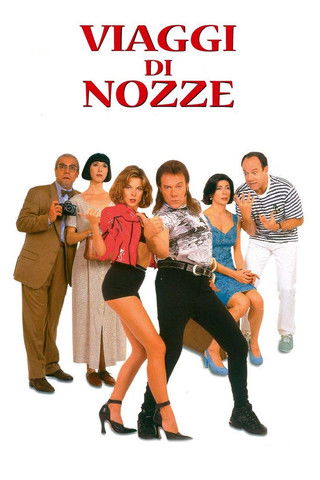

True stories
View more ›
Christmas
View more ›
The Cinetaro guide to Italian films
Cinetaro: Italian films for the whole household, from The Best of Youth, Bread and Tulips and Caro diario to Italian Race and Watch Out, We're Mad
Italy has made films for as long as there have been cameras, and for most of that time its favourite subject has been itself: the family round the table, the clerk and his boss, the village and the city, the cousin who went north for work and the one who stayed behind. The world knows the great names of the art house, yet the films Italians themselves return to on a Sunday evening are warmer and funnier than that reputation suggests. They are comedies with a tender streak, family stories told across thirty years, romances that begin at a motorway service station, and true stories of cyclists, painters and schoolteachers. Cinetaro is a guide to 208 of these Italian films, made between 1960 and 2026. Each has its own page, its story, its director and cast, and a Watch now button that leads to the official services carrying it in your country.
The catalogue has been chosen for the whole household. Every summary was read by hand, and the selection keeps to comedy, family stories, romance, school life, sport, gentle fantasy and films about music and the stage. Gangster pictures, horror, films of the battlefield, erotic comedies and adult dramas were left out. What remains includes a housewife who discovers Venice by accident, two brothers whose lives run through four decades of Italian history, a fisherman who trains a team of street boys, a librarian elected President of the Republic by mistake, and a teacher who moves from Rome to a mountain school with a handful of pupils.
The pages below follow the catalogue roughly in order of time. They open with the comedies of the sixties, pass through the seventies and eighties and the film-makers who came after, and then turn to themes: family, school, romance, Christmas, true stories, sport, the stage and the regions of Italy. Three films are suggested for a first evening along the way, and the closing sections cover the language, search, the lists and My List. Every film title is a link, and the text is in English for viewers anywhere in the world.
What Cinetaro offers
Cinetaro is a viewing guide. It hosts neither films nor downloads; it tells you what each film is about, who made it and who appears in it, and then hands you to the legal services that hold it. The how to watch page explains the three steps: find a film, read its page, choose your country and press Watch now. The button opens JustWatch, an independent directory of streaming, rental and purchase services, on the entry for that film, so the answer is always current for the place where you live.
The 208 films divide into 137 comedies and 71 dramas, romances and fantasies. Twenty-seven were made before 1980, forty-one in the eighties and nineties, twenty in the first decade of this century, fifty-nine in the 2010s and sixty-one since 2020. All are spoken in Italian, a few of them in the dialects of Naples and Sicily, and most services supply English subtitles. Thirteen were made for Italian television, where the two-part biography of a national hero remains a much-loved form. Twenty lists arrange the catalogue by kind, theme, place and decade, and sixty-five films appear in the top rated list, which gathers the titles viewers have scored at seven out of ten or higher.
The home page is built to be scanned quickly. A spotlight picture leads, a Trending row counts the six most popular films with their titles turned sideways, a panel of cards opens the lists, and grids of posters follow for the newest films, the classics, family stories, romances, true stories and Christmas. Each poster carries three small tags, for the rating, the number of votes and the kind of title, and a line beneath gives the length and the year.
A first evening
Three films make good introductions. Bread and Tulips, directed by Silvio Soldini in 2000, is the gentlest of them. Rosalba, a housewife from Pescara played by Licia Maglietta, is on a coach holiday with her husband and sons when the coach drives off from a motorway service station and leaves her behind. Annoyed and a little amused, she decides to make her own way home, accepts a lift in the opposite direction, and steps out in Venice, a city she has always wanted to see. One night becomes two. She finds a room with Fernando, a melancholy waiter from Iceland played by Bruno Ganz, takes a job with an elderly florist, and picks up the accordion she played as a girl. Her husband, a seller of bathroom fittings, sends a plumber with a taste for detective novels to find her. The film won nine David di Donatello awards, the Italian equivalent of the Oscars, and it remains a model of the comedy that is kind to every one of its characters.
Watch Out, We're Mad is the film for an evening with children. Made in 1974, it stars Bud Spencer and Terence Hill, the most loved double act in Italian cinema. Ben and Kid, a mechanic and a lorry driver, finish level in a stunt race whose prize is a red dune buggy with a yellow top. Before they can settle who keeps it, the henchmen of a property speculator wreck the car. The two men present themselves to the speculator and ask politely for a new one, identical in every detail, and a string of comic brawls follows, in a gymnasium, a funfair and a choir rehearsal. The fights are slapstick, loud and harmless in the manner of a cartoon, and generations of Italian children have grown up with them. A remake of 2022, listed as ...Watch Out, We're Mad, hands the buggy to the sons of the original pair.
Caro diario, which means Dear Diary, is the film for a quiet night. Nanni Moretti, playing himself, tells three stories. In the first he rides his Vespa through Rome in August, when the city is empty, admiring the houses and wondering what it would be like to live in each of them. In the second he travels among the Aeolian Islands with a scholarly friend who has avoided television for thirty years and becomes devoted to it within days. In the third he describes, with great calm and humour, a year of visits to doctors. Moretti won the prize for best director at Cannes in 1994, and the Vespa ride through the Garbatella quarter is among the best-loved sequences of modern Italian cinema.
The sixties: Totò and comedy Italian style
Twenty-seven films were made before 1980, and the classics guide sets them out. The decade of the sixties belongs first of all to Totò, the Neapolitan comedian with the long chin and the bowler hat who made close to a hundred films and is still quoted daily in Italian conversation. Three are here. In He Who Hesitates Is Lost, directed by Sergio Corbucci in 1960, he is paired with Peppino De Filippo, his finest partner, as two clerks who compete for the favour of a new boss and mistake almost everybody they meet for him. Gli onorevoli, from 1963, follows a group of candidates through an election campaign, with Totò as a monarchist who shouts his slogan from a bedroom window at dawn. Toto and Cleopatra, from the same year, sends him to ancient Egypt as both Mark Antony and his scheming double.
Alongside Totò grew the school that critics named comedy Italian style: films that laughed at the country's habits while keeping an eye on its history. March on Rome, made by Dino Risi in 1962, is among the best. Vittorio Gassman and Ugo Tognazzi play two hungry veterans who join the blackshirts in 1922 because they are promised land and a hot meal, and who cross promises off the party programme one by one as they walk to the capital. The film treats a dark chapter with ridicule, and it is a good choice for older children studying the period. Crazy Desire, directed by Luciano Salce the same year, gives Tognazzi a different part, a self-satisfied businessman of forty who gives a lift to a carload of teenagers and spends a weekend at the seaside trying to keep up with them; Catherine Spaak plays the girl who teases him, and the score is an early work by Ennio Morricone.
Antonio Pietrangeli made two of the most graceful films of the period. Ghosts of Rome, from 1961, is a fantasy in colour: the ghosts of a noble family, a friar, a ladies' man and a child among them, have lived for centuries in an old palace with the last prince, and when his nephew agrees to sell the building to developers they set out to save it with the help of a ghostly painter. Marcello Mastroianni plays three roles and Eduardo De Filippo is the old prince. The Visitor, from 1963, is smaller and sharper. Pina, played by Sandra Milo, works in a farm office in the Po valley and has placed a notice in a lonely hearts column; Adolfo, a bookseller from Rome, comes for a day to meet her. Over lunch and a walk round the village each discovers what the other is really like, and the film is tender toward Pina in a way that was rare for its time.
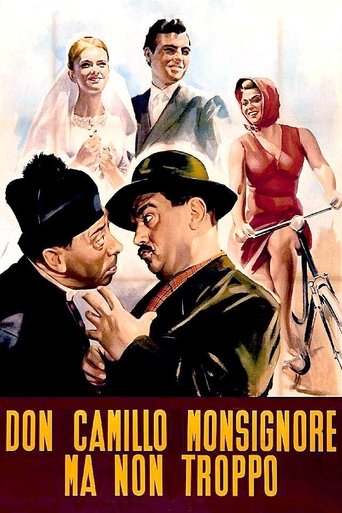
The decade has its dramas too. Family Diary, directed by Valerio Zurlini from the novel by Vasco Pratolini, shared the Golden Lion at Venice in 1962. Mastroianni plays a journalist who learns that his younger brother has died and recalls their lives: parted as small children, one raised in poverty by a grandmother and the other in comfort by a butler, they met again as young men in Florence and learned slowly to be brothers. It is a sad film and a beautiful one, photographed in soft browns. His Days Are Numbered, by Elio Petri, follows a Roman plumber in his fifties who sees a man of his own age die on a tram and decides to stop working and look at the world while there is time. The Basilisks, the first film of Lina Wertmüller, observes three young men in a sleepy southern town who talk of leaving and stay where they are. Don Camillo: Monsignor, the fourth film about the village priest and the communist mayor created by Giovannino Guareschi, brings Fernandel and Gino Cervi back to Brescello to quarrel over a chapel, a wedding and a football pools win.
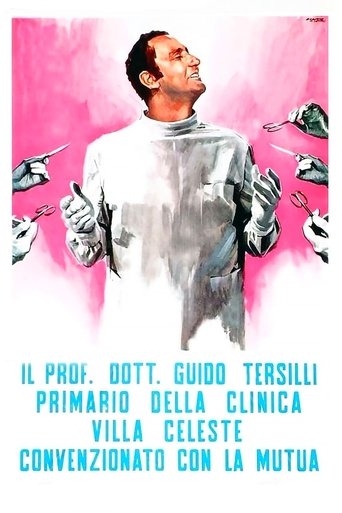
Four more complete the sixties. The Head of the Family, by Nanni Loy, follows two architects, played by Nino Manfredi and Leslie Caron, from their idealistic wedding after the liberation through four children and twenty years of compromise. The Crush is a fifty-minute film made for television by Ermanno Olmi about a Milanese boy of fifteen, his first love and a New Year's Eve party. Medicine Italian Style stars Alberto Sordi as Doctor Guido Tersilli, who has risen to run a private clinic and treats the wealthy with brisk confidence, and Help Me, My Love, which Sordi directed himself, casts him opposite Monica Vitti as a modern husband who promises to be understanding when his wife confides that she has fallen for another man. Alive or Preferably Dead is a comic western in which a city gambler and his country brother, played by Giuliano Gemma and the boxing champion Nino Benvenuti, must live together for six months to inherit a fortune.
The seventies
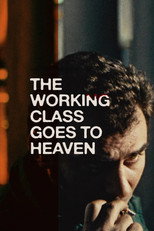
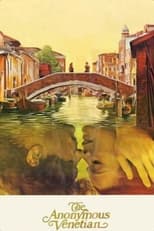
The films of the seventies are more varied. The Anonymous Venetian, directed by the actor Enrico Maria Salerno in 1970, was one of the great popular successes of its day. A musician at the Fenice theatre asks his estranged wife to come to Venice for a day. They walk through the city in winter, argue, remember their student years, and she slowly understands why he has called her. The film is a love letter to Venice, and its music, by Stelvio Cipriani, sold in the millions. The Working Class Goes to Heaven, which shared the Palme d'Or at Cannes in 1972, is Elio Petri's portrait of Lulù, a factory worker played by Gian Maria Volonté who is the fastest man on the piecework line until an accident changes his view of his job. It is loud, funny and angry, and it suits older viewers with an interest in the period.
Roberto Rossellini spent his last years making films about the great minds of history for television, and Socrates, from 1971, is one of the clearest: the philosopher in the streets of Athens, his trial and his calm last conversations with his friends. Diary of a Teacher, made for television by Vittorio De Seta in 1973, has become a classic of Italian education. A young teacher from the south, played by Bruno Cirino, is given a class of boys on the edge of Rome, half of whom have stopped attending. He goes to find them in the fields and scrapyards, puts aside the textbook, and builds his lessons on their own lives. The boys were real pupils, and the film changed the way many Italians thought about school. The Last Snows of Spring, from the same year, is a celebrated tear-jerker about a boy and his busy widowed father; it deals with a child's illness, and families may wish to keep it for older children.
Somewhere Beyond Love, directed by Luigi Comencini in 1974, is a love story between two workers in a factory near Milan, a northerner played by Giuliano Gemma and a Sicilian played by Stefania Sandrelli, whose families see the world very differently. Ecce Bombo, from 1978, introduced a wide audience to Nanni Moretti, of whom more below. And Don Giovanni, filmed by Joseph Losey in 1979, is Mozart's opera sung in Italian and set among the villas of Palladio near Vicenza, with Ruggero Raimondi as the Don, Kiri Te Kanawa as Donna Elvira and Lorin Maazel conducting. At close to three hours it is an evening in itself and a fine way to meet the opera.
Bud Spencer and Terence Hill
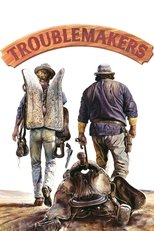
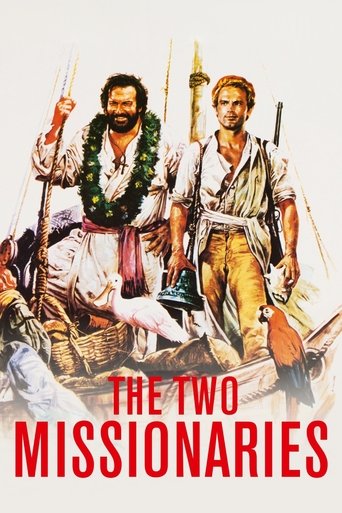
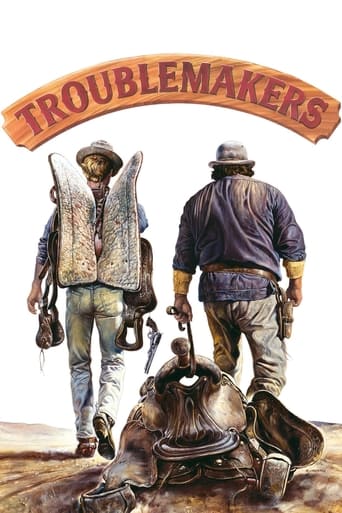
Carlo Pedersoli, a swimmer who represented Italy at two Olympic Games, and Mario Girotti, an actor from Venice, took the names Bud Spencer and Terence Hill in 1967 and made eighteen films together. Their formula was simple: Spencer is large, slow to anger and devoted to his dinner; Hill is quick, blue-eyed and full of schemes; the villains are pompous; and every dispute ends in a brawl staged like a dance, with a slap on the top of the head as its signature. Besides Watch Out, We're Mad, the catalogue holds The Two Missionaries, from 1974, in which the pair are priests on a Caribbean island around 1890 who sell parrots to fund their mission and stand up for the islanders against a greedy governor, and Troublemakers, from 1994, a Christmas western directed by Hill himself. Travis is a gunslinger and Moses a bounty hunter with a wife and a wagon full of children; their mother writes to say she wants both sons home for the holiday, and they bicker their way across the West to her table.
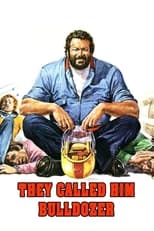
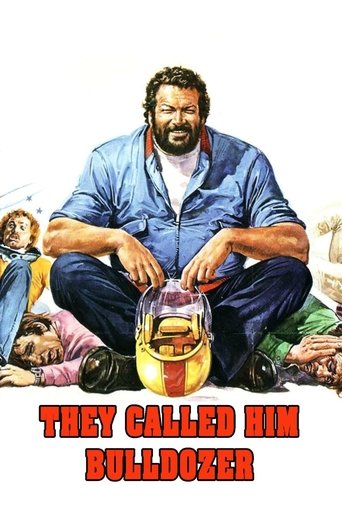
Bud Spencer made as many films alone. In They Called Him Bulldozer, from 1978, he is a former star of American football who now sails a fishing boat. Stranded in a Tuscan port when a submarine damages his vessel, he agrees to coach a team of local lads for a match against the soldiers of a nearby American base. Bomber, from 1982, moves the same story to the boxing ring, with Spencer as a retired ship's captain and the comedian Jerry Calà as the fast-talking manager who talks him into training a young fighter. Both films are good-natured from first frame to last, and both end with the big man, pushed a little too far, settling matters himself.
Paolo Villaggio and the clerk Fantozzi
In 1971 the Genoese comedian Paolo Villaggio published a book about an accountant named Ugo Fantozzi, the humblest employee of a vast corporation, a man followed everywhere by a personal rain cloud. Ten films followed, and the name entered the Italian dictionary as an adjective. Two of the later chapters are here. In Fantozzi Retires, from 1988, the accountant collects his clock after thirty years and discovers that free time is harder than work: he tries shopping with his wife Pina, minding his granddaughter, a coach trip to Venice and a round of golf, and ends by begging for his old desk. In Fantozzi to the Rescue, two years later, he keeps turning up at the office as a volunteer and is put on display to the younger staff.
Villaggio appears in four more films. I Won the New Year's Lottery casts him as a journalist deep in debt who wins the national draw, hides the ticket inside his typewriter, and then watches the typewriter being sold. The Comics pairs him with Renato Pozzetto as two silent film comedians who tumble out of the screen into a modern cinema and carry their slapstick into the streets. Department Store, from 1986, is a parade of sketches set on the floors of a great Roman store, with Villaggio, Pozzetto, Nino Manfredi, Enrico Montesano and a dozen other favourites of the time. And The Big Fox is a modern version of the old English comedy Volpone, in which a rich shipowner pretends to be at death's door to see how far his three friends will go for a place in his will. Pozzetto also stars with Carlo Verdone in 7 Kilos in 7 Days, as two newly qualified doctors who open a slimming clinic in a country villa with more enthusiasm than science.
The new comedians of the eighties
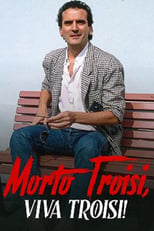
Around 1980 a generation of comedians arrived from the cabarets and from television, each with the accent of his own region. Massimo Troisi came from San Giorgio a Cremano, near Naples, and spoke in a shy, tumbling murmur that audiences everywhere learned to love. Morto Troisi, viva Troisi! is a fifty-minute television film of 1982 in which he imagines the tributes that would follow his own passing and watches friends such as Roberto Benigni and Lello Arena deliver them. The Ways of the Lord are Finite, which he directed in 1987, is set in the twenties. Camillo, a barber, has been in a wheelchair since Vittoria left him; the doctors find his legs perfectly sound, and the cure, when it comes, has much to do with her return. It is a romantic comedy of great delicacy.
From Tuscany came the trio known as the Giancattivi, made up of Alessandro Benvenuti, Athina Cenci and Francesco Nuti. Their one film together, Ad ovest di Paperino, follows three aimless young people through a single day in Florence. Nuti went on alone to make Blame it on Paradise, in which a man returns from five years away to learn that his small son has been adopted by a couple in the Alps; he finds work near their chalet, comes to like them, and must decide what is best for the boy. Ornella Muti plays the adoptive mother. Benvenuti turned to his own family for Benvenuti in casa Gori, a Christmas lunch in a Tuscan household told in five chapters, with every aunt, grandfather and fiancé given a turn to speak.
Roberto Benigni, before the world knew him, appears with Ninetto Davoli in The Soup, a long fable of 1981 by Sergio Citti about three men wandering Tuscany and Lazio in search of a square meal, which they always seem to find just as it is taken away. Carlo Verdone, the Roman master of the comic character, plays all three bridegrooms in Honeymoon Trips, from 1995: a pompous doctor who plans every minute, a mother's boy, and a young man from the suburbs with a taste for excitement. Verdone returns in My Best Enemy, as a hotel manager at odds with the son of a maid he dismissed, and in Sotto una buona stella, as a wealthy broker who loses his job and gains the company of his two grown children, a granddaughter and a lively neighbour played by Paola Cortellesi. Giorgio Panariello's Bagnomaria gathers the characters of his television sketches, a lifeguard and a cyclist among them, on a Tuscan beach in the last week of summer, and Christmas Present, the fine poker drama by Pupi Avati, belongs to this decade and is described with the Christmas films below.
Nanni Moretti
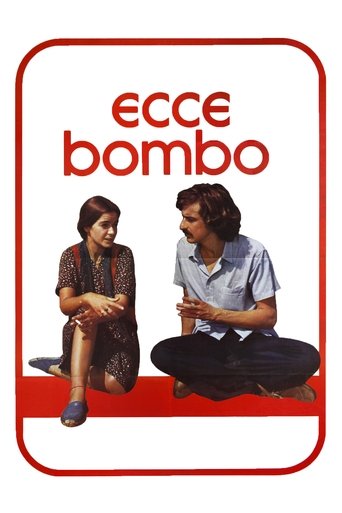
Six films are by Nanni Moretti, and the directors guide lists them in order. Moretti began with a home movie camera in the Rome of the seventies and has spent fifty years filming his own generation with affection and impatience. Ecce Bombo, from 1978, follows Michele and his friends, former student protesters who now sit in bars, hold meetings to examine their feelings and wait all night on a beach for a sunrise that comes up behind them. Its lines are quoted by Italians who were born long after it was made. Sweet Dreams, which won the special jury prize at Venice in 1981, turns the same Michele into a young film director touring provincial film clubs and working on a picture about Freud and his mother.
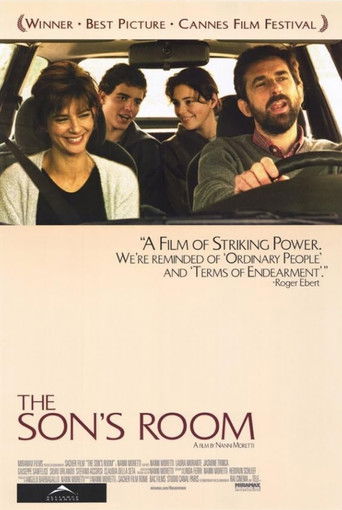
After Caro diario came Aprile, in 1998, a second diary. Moretti is trying to make a documentary about the general election and dreaming of a musical about a pastry cook, and both projects fade beside the news that his wife is expecting their first child; the scenes in which he reads aloud to the baby before it is born are among his funniest. The Son's Room, which won the Palme d'Or in 2001, is a different kind of film. Giovanni is a psychoanalyst in the port of Ancona, happily married with two teenage children, and one Sunday his son goes diving with friends and is lost. The film follows the family through the months afterwards with great honesty and restraint. It is a work about grief, and it is recommended for adults and older teenagers. In The Caiman, from 2006, a producer of cheerful B pictures, played by Silvio Orlando, agrees to make a young director's script about a media tycoon turned prime minister, and Moretti himself appears in The Yes Man, Daniele Luchetti's comedy of 1991, as a smooth young minister who hires an honest schoolteacher to write his speeches.
Scola, Monicelli and Avati
The masters of the earlier generation kept working beside the newcomers. Ettore Scola's The Terrace, from 1980, returns again and again to the same Roman dinner party, each time following a different guest home: a screenwriter who has lost the knack of being funny, a journalist whose wife has become more famous than he is, a television executive, a film producer and a member of parliament. Gassman, Tognazzi, Mastroianni and Jean-Louis Trintignant play them, and the script was honoured at Cannes. Eighteen years later Scola filmed The Dinner entirely inside a Roman trattoria during one evening, moving from table to table among a professor, a mother and daughter, a birthday party and a magician, with Fanny Ardant as the hostess. His last film, How Strange to be Named Federico, is a memoir of his friendship with Federico Fellini, from their days as young cartoonists on a satirical magazine to their night drives round Rome.
Mario Monicelli is represented by two films. My Friends Act II, from 1982, reunites four Florentine friends in late middle age, an architect, a surgeon, a café owner and a penniless count, whose pleasure in life is the elaborate practical joke. They remember their friend the journalist and relive the pranks they played with him, including one set during the great flood of 1966. Dearest Relatives, Poisonous Relations, from 1992, gathers a family in a snowy town in Abruzzo for Christmas, where the elderly parents announce that they wish to move in with one of their four children. The comedy has a sting in its tail and is best kept for grown-ups.
Pupi Avati, from Bologna, has three films here. Christmas Present and Christmas Rematch are described with the holiday films. A Second Childhood, from 2010, is the story of Lino, a sports writer, and Chicca, a professor of medieval literature, whose long and devoted marriage is tested when his memory begins to fail and he returns in his mind to the country boyhood he loved. It is a gentle film on a hard subject. Two short films by the poet of the countryside Franco Piavoli complete this group: Voices Through Time watches the ages of life, from infancy to old age, in a single Lombard village across the seasons, and At the First Breath of Wind spends one August afternoon with a family in a farmhouse. Both are almost wordless and close to music.
Virzì, Mazzacurati, Soldini and Amelio
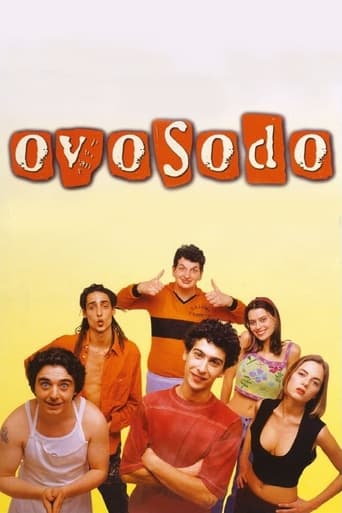
The nineties brought a group of directors who looked closely at provincial Italy. Paolo Virzì comes from Livorno and has three films in the catalogue. Living It Up, his first, is set in the steel town of Piombino, where a worker who has been laid off opens a small business while his wife, a supermarket cashier played by Sabrina Ferilli, is courted by a presenter from the local television station. Ovosodo, which won the grand jury prize at Venice in 1997, follows Piero from a working-class quarter of Livorno through school, a friendship with a rich classmate, first love and fatherhood, narrated in his own cheerful voice. Napoleon and Me goes back to 1814 and the island of Elba, where a young teacher who detests the exiled emperor is hired as his secretary and finds the great man, played by Daniel Auteuil, unexpectedly likeable.
Carlo Mazzacurati worked in the flat country around Padua. Il toro, which won the Silver Lion at Venice in 1994, is a road film with an unusual third passenger: two friends, a dismissed stable hand and a struggling farmer, load a champion breeding bull onto a lorry and drive it across the border toward Hungary, hoping to sell it. Diego Abatantuono and Roberto Citran play them. In Holy Tongue two amateur rugby players down on their luck come by accident into possession of a famous relic of Saint Anthony and ask for a reward. Silvio Soldini followed Bread and Tulips with Agatha and the Storm, in which Licia Maglietta is a bookseller in Genoa whose emotions make light bulbs burst and who learns one day that her brother has a family she has yet to meet.
Gianni Amelio's The Way We Laughed won the Golden Lion in 1998. Giovanni, an unlettered Sicilian, arrives in Turin in 1958 to watch over his younger brother Pietro, who is studying to be a teacher, and works at every job he can find to pay for the boy's books. The film visits the brothers on six days across six years. Amelio's The Missing Star sends an Italian engineer, played by Sergio Castellitto, across China with a young interpreter in search of a blast furnace sold with a faulty part. Other films of these years include Davide Ferrario's We All Fall Down, a comedy about a graduate in Turin drifting between civilian service and his parents' flat; Giuseppe Piccioni's Light of My Eyes, a quiet romance between a chauffeur and a shopkeeper whose leads both won acting prizes at Venice; Bernardo Bertolucci's Besieged, a chamber piece set in a house by the Spanish Steps, where an English pianist falls for the African medical student who cleans his rooms, spoken partly in English; and Sicily!, an hour-long film in black and white from the novel by Elio Vittorini about a man who returns to the island and talks with an orange seller, his mother and a knife grinder.
Family
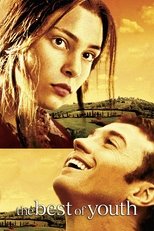
The family is the great subject of Italian cinema, and the family guide introduces the 102 films in which it holds the centre. The grandest is The Best of Youth. Made for television by Marco Tullio Giordana in 2003 and shown at Cannes, where it won the Un Certain Regard prize, it runs for six hours and is usually watched in two or four parts. Nicola and Matteo Carati are brothers from a Roman family, students in the summer of 1966. One becomes a psychiatrist and the other joins the police, and the film follows them, their sisters, their parents and their friends through the flood of Florence, the upheavals of the seventies and the years after, to 2003. Luigi Lo Cascio and Alessio Boni play the brothers. A few passages deal with the political violence of the period and with loss, yet the whole is among the warmest films ever made about how a family holds together, and many viewers count it the finest Italian film of its century.
Fathers have a list of their own. Along the Ridge, the first film directed by the actor Kim Rossi Stuart, is seen through the eyes of Tommi, who is eleven and lives in Rome with his sister and a loving, hot-tempered father who is raising them alone. Volare, directed by Gabriele Salvatores and inspired by a true journey, puts a wandering singer on the road with the teenage son he has only just met, a boy with autism who meets the world with complete openness. In Out of the Blue a carefree bachelor, played by Raoul Bova, comes home to find a seventeen-year-old who says she is his daughter, together with her grandfather, a former rock musician. Let Me Introduce You to Sofia has Fabio De Luigi as a devoted father who is so afraid of putting off a new girlfriend that he hides his ten-year-old from her. A Beautiful Day, from 2026, gives the same actor four daughters, who decide it is time their father went out to dinner. Paternal Leave sends a German girl of fifteen to a wintry beach in Romagna to meet the surf instructor who is her father, and C'è tempo makes a man who studies rainbows the guardian of a half-brother of thirteen who loves old films.
Brothers and sisters fill another shelf. My Brother, My Sister obliges a windsurfing uncle and his sister, a cautious mother of two, to share the family home for a year under the terms of their father's will. Unique Brothers is a comedy in which a self-centred surgeon loses his memory and his easy-going brother must teach him who he was, with some improvements. 18 Years Later, the first film directed by Edoardo Leo, sends two estranged brothers down the length of Italy in their father's old sports car, as his last wishes require. Family Matters gathers six half-siblings in France to hear a will, ...It's Snowing Outside! puts three Neapolitan brothers of very different temperaments under one roof, and The Macaluso Sisters, by Emma Dante, follows five sisters from a flat in Palermo across their whole lives; it turns on a loss in childhood and is a film for adults.
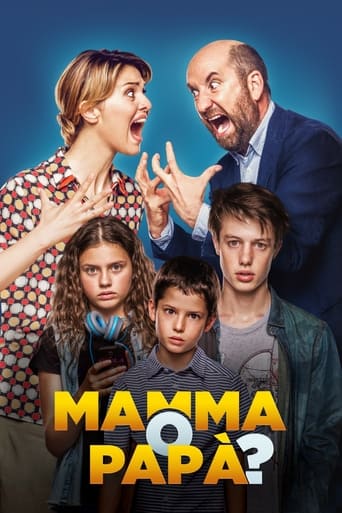
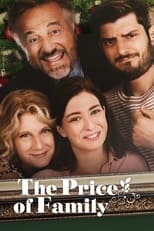
Then there are the full houses of modern comedy. Kidz shows what a second baby does to a contented couple, played by Paola Cortellesi and Valerio Mastandrea, in a series of sketches any parent will recognise. In Three Too Many a pair who are happily child-free wake one morning with three children who call them mum and dad. Mom or Dad? turns a divorce upside down, as two parents with new job offers abroad compete to hand custody to the other. Poorly Rich moves a lottery-winning family from a village to a Milan penthouse, Belli di papà has a tycoon fake his own ruin to teach his three grown children to work, and Three Perfect Daughters unites three fathers against three fiancés. The Price of Family and Volevo un figlio maschio add two more exasperated parents, and Come fratelli, from 2025, is the touching story of two widowed fathers who decide to bring up their children in one household.
Growing up
Sixty-two films concern children and young people. Alone With Her Dreams is set on the island of Favignana in the sixties, where eleven-year-old Lucia stays with her stern grandmother while her parents look for work in France; the old woman, it turns out, has reasons for her severity. La prima neve takes place in a valley of Trentino, where a boy who has lost his father makes friends with Dani, a carpenter and beekeeper's assistant from Togo, as both wait for the first snow. I pionieri is a comedy about two Sicilian boys in 1990, sons of party activists, who run off to found a scout troop of their own. La luce nella masseria is set on a farm near Matera in the early sixties, when the first television set arrives in the district and young Pinuccio hopes it will keep his quarrelling family together. Incompreso retells a classic novel about a small boy who longs for the attention of his busy father, and Una casa nel cuore follows a mother and daughter who make a new home on a houseboat.
The teenagers are well served. Feather follows Ferro and Cate, both eighteen, through the nine months before their final exams and the birth of their daughter, with two sets of parents in a panic and the couple themselves surprisingly calm. Dog Years is about a girl who decides, after a road accident, that she must count her age as dogs do and so has a list of things to do before she turns sixteen. Amanda is a deadpan comedy about a young woman of twenty-four who sets out to win back the best friend of her childhood, Today Again follows an anxious student through the week of his final exams, and Only Good Things places the daughter of a mayor beside the lively household of a family home that has just opened in her town. The Invisible Boy: Second Generation, by Gabriele Salvatores, continues the adventures of Michele, a schoolboy in Trieste who can vanish at will and now meets a twin sister with powers of her own.
School and students
Thirty films pass through a classroom, and the school guide groups them. The newest is A World Apart, a great success of 2024. Michele, a Roman primary teacher played by Antonio Albanese, asks for a transfer to a village in the national park of Abruzzo and arrives in a snowstorm in city shoes. The school has seven pupils and will close unless more can be found, and the deputy head, played by Virginia Raffaele, has a plan. The film was shot with the children of the valley and is a pleasure for all ages. It makes a natural pair with Diary of a Teacher from fifty years before, and with La classe degli asini, the true story of Mirella Casale, a headmistress in Turin whose campaign opened ordinary classrooms to pupils with disabilities.
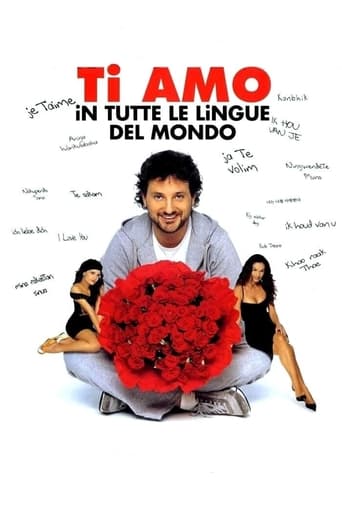
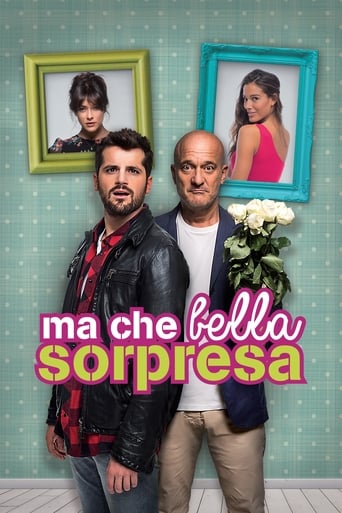
The student comedies begin with Tuttapposto, in which a Sicilian undergraduate tired of favouritism invents an app that lets students give marks to their professors. And Then We'll See follows three young Palermitans who sit the same public examination for a single job. The Champion is a film about study as much as football: a brilliant young forward for Roma, rich and unruly, is told he will stay on the bench until he passes his school-leaving exam, and the club hires a shy teacher, played by Stefano Accorsi, to tutor him. In Everything You Want a young man from Trastevere with time on his hands is paid to take an elderly poet for walks; the poet, played by the director Giuliano Montaldo, is growing forgetful and courteous to everyone, and the boy and his friends are drawn into the old man's memories of a treasure. Ma che bella sorpresa has Claudio Bisio as a romantic teacher of literature in Naples whose new girlfriend seems too perfect to be true, and I Love You in All Languages of the World gives Leonardo Pieraccioni the part of a gym teacher courted by notes in every language.
Romance
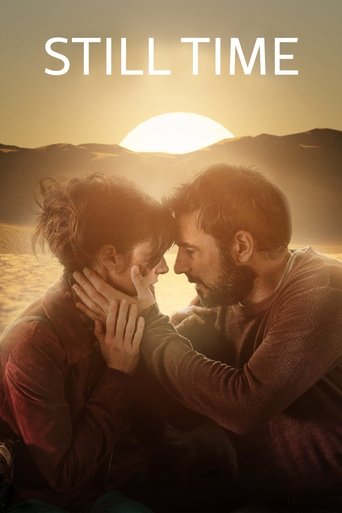
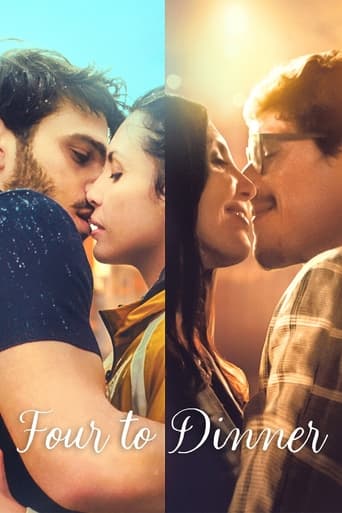
Fifty-nine films are love stories, and the romance guide sorts them by age and mood. For grown-up love, begin with Bread and Tulips and The Anonymous Venetian, then try Ricordi?, in which Luca Marinelli and Linda Caridi play a couple whose years together are shown entirely as each remembers them, so that the same party is golden in one mind and grey in the other. Fasten Your Seatbelts, by Ferzan Özpetek, is set in Lecce, where a waitress and a mechanic who seem to have little in common fall for each other; thirteen years later they are married with children and facing her illness together. Still Time is a comedy with a clever device: Dante, who is always late, wakes on the morning after his fortieth birthday to find a whole year has passed, and then another, and must learn to slow his life down before he misses it. Four to Dinner tells the same four friends' story twice, pairing them differently each time.
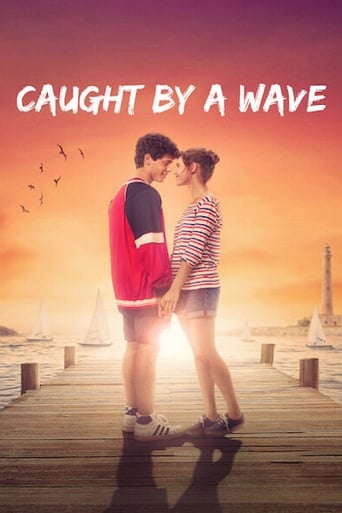
Young love has its own shelf. Out of My League, set in Turin, introduces Marta, a girl of nineteen with a sharp tongue, two loyal flatmates and a serious illness she refuses to be defined by; she sets her sights on the handsomest boy in the city and wins him by sheer cheerfulness. Two sequels, Still Out of My League and Forever Out of My League, continue her story. Caught by a Wave is a summer romance at a sailing school in Sicily between Lorenzo and Sara, who is keeping a diagnosis to herself. Ma chi ti conosce? brings together a violinist and a builder, and Romeo Is Juliet is a backstage comedy in which a young actress, turned down for Juliet by a famous director, returns in disguise and is cast as Romeo. Hey Joe has James Franco as an American veteran who goes back to Naples in 1971 to look for the son he left there, and Opposites Attract sets a divorce lawyer and a couples' counsellor in offices on the same landing.
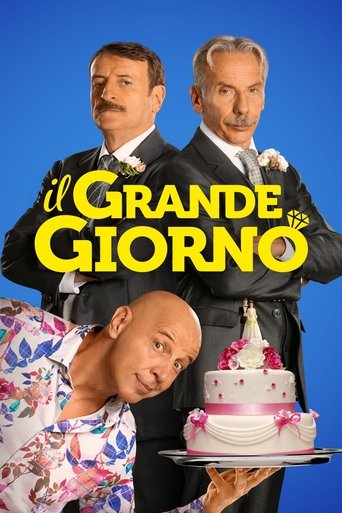
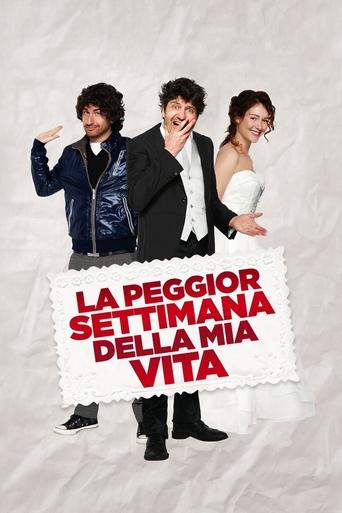
Weddings supply some of the liveliest comedies. The Worst Week of My Life gives Fabio De Luigi seven days and a formidable set of in-laws to survive before the ceremony, and The Great Day reunites the trio of Aldo, Giovanni and Giacomo for a wedding at a villa on Lake Como paid for by two fathers who are business partners, one generous and one careful. Filumena Marturano, from the play by Eduardo De Filippo, is the classic Neapolitan story of a woman who has shared a pastry cook's life for twenty-five years and finally brings him to the altar by a trick, then tells him that one of her three sons is his and declines to say which.
Christmas
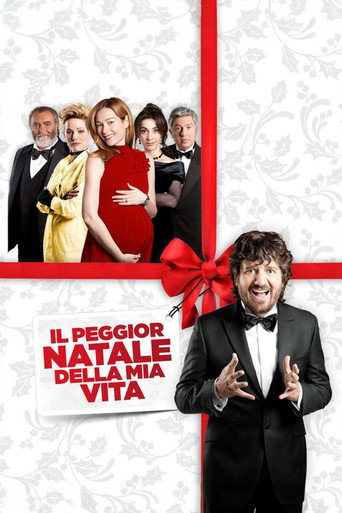
Christmas is a season of its own in Italian cinema, and twelve films are gathered in the Christmas guide. The foundation is Natale in casa Cupiello, Eduardo De Filippo's play of 1931, filmed here in 2020 with Sergio Castellitto as Luca Cupiello, a Neapolitan father who cares for only one thing, the nativity scene he builds each year, while his wife, son and married daughter quarrel around him. It is spoken in Neapolitan and is both funny and moving. The Santa Claus Gang has Aldo, Giovanni and Giacomo as three members of a bowls club arrested on Christmas Eve in red suits and beards, who must explain to a patient police inspector how they came to be on a balcony. The Worst Christmas of My Life sends Fabio De Luigi to a castle in the snow, and A Perfect Family stars Castellitto again as a rich man who hires a troupe of actors to play his wife, children and mother for the holiday and keeps rewriting their parts.
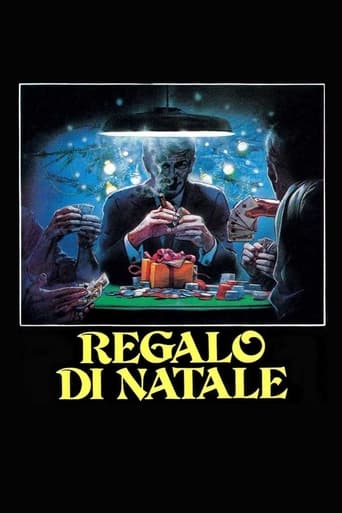
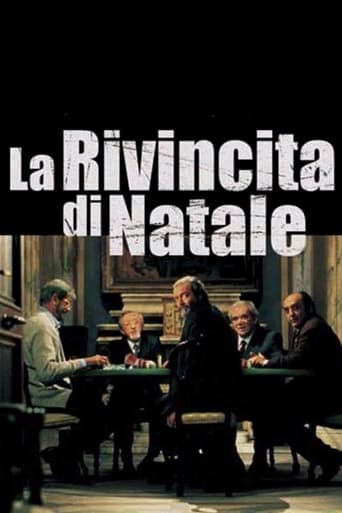
Christmas Present, directed by Pupi Avati in 1986, is quieter. Four old friends who have drifted apart meet on Christmas night for a game of poker with a wealthy lawyer, and the cards bring out every old disappointment between them. Carlo Delle Piane won the best actor prize at Venice as the lawyer. Christmas Rematch returns to the same table years later. Both are films about friendship more than gambling, and they suit an adult evening.
Fantasy and adventure
Thirteen films leave the everyday world. The best known are the chapters of The Cave of the Golden Rose 2, The Cave of the Golden Rose 3 and The Cave of the Golden Rose 4, the fairy-tale series that Italian television showed each Christmas in the nineties under the name Fantaghirò. Its heroine is a princess who prefers a sword to a spinning wheel; in these chapters she rescues her father from the Black Queen, protects the royal children from the wizard Tarabas, and follows a mysterious cloud across a withered land. Each chapter runs for more than three hours in two parts and delights children who enjoy castles and talking animals. The King's Musketeers brings back Athos, Porthos, Aramis and d'Artagnan as creaking heroes called out of retirement, with Pierfrancesco Favino speaking in a splendid mock-French accent.
Modern fantasies are comic. Stork Day is the Italian version of the story of a man who lives the same day again and again, here a television naturalist stuck on a Canary island. In Ordinary Happiness a Palermitan engineer is sent back to earth for ninety-two minutes because of an accounting slip in heaven. Il migliore dei mondi drops a gadget-loving man into a world where technology stopped in the nineties, Bla Bla Baby gives a nursery caretaker the power to understand babies, and The Most Beautiful Day in the World makes a struggling theatre manager the guardian of a boy with remarkable gifts. Lost and Beautiful, by Pietro Marcello, is a fable in which the masked figure Pulcinella leads a young buffalo across Campania, and Kaos, by the Taviani brothers, tells four tales of old Sicily by Luigi Pirandello, among them a quarrel over a giant oil jar, with an epilogue in which the writer visits his mother's house.
True stories
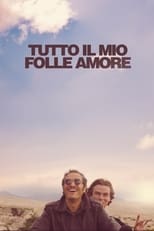
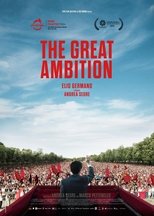
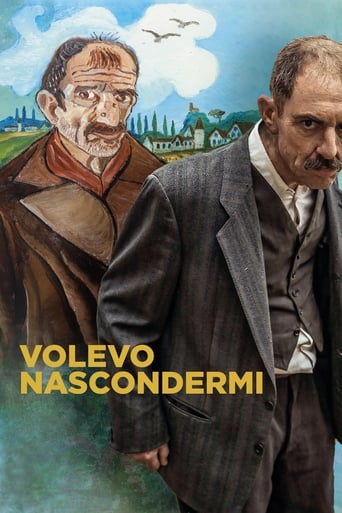
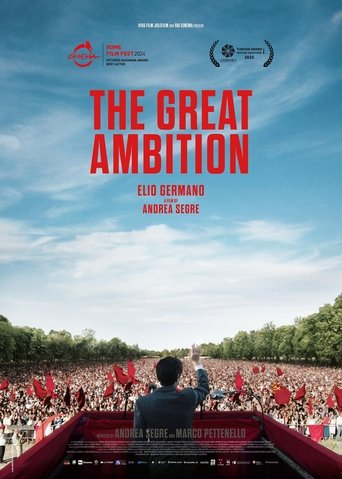
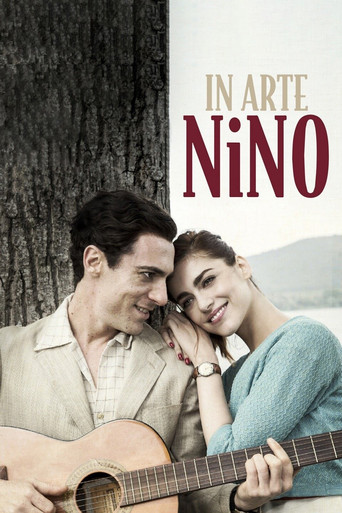
Seventeen films are drawn from real lives, and the true stories guide lists them. The outstanding one is Hidden Away, for which Elio Germano won the best actor prize at Berlin in 2020. He plays Antonio Ligabue, who grew up in Switzerland, was sent as a young man to a village on the Po, lived for years in a hut by the river, and painted tigers, eagles and self-portraits of blazing colour that are now in museums. The film is demanding and richly rewarding. Germano appears again as the actor Nino Manfredi in In arte Nino, directed by Manfredi's own son, which follows him from a sanatorium ward to drama school and his first success, and as the party leader Enrico Berlinguer in The Great Ambition, a sober account of the years 1973 to 1978.
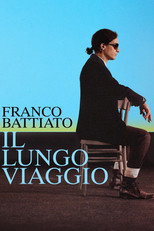
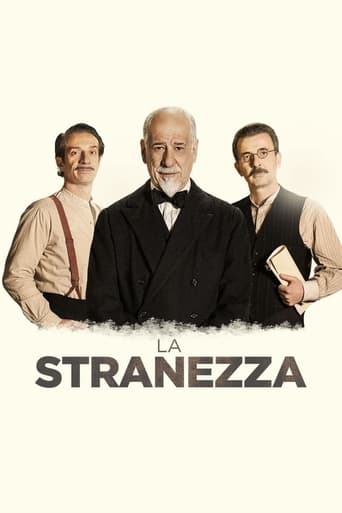
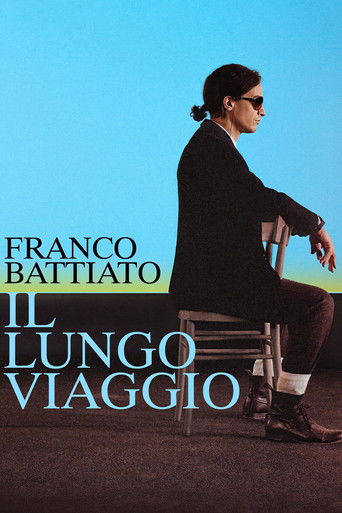
Music gives three portraits: Califano, on the Roman singer and songwriter Franco Califano; Franco Battiato: The Long Journey, on the Sicilian musician's road to Milan and back; and I ragazzi dello Zecchino d’Oro, the charming story of Mariele Ventre, the young teacher who formed a children's choir in Bologna in the sixties for the song contest that Italian families still watch each year. Atelier Fontana tells how three sisters from a village near Parma opened a dressmaking house in Rome and came to dress the stars of Hollywood. Strangeness imagines the origin of a famous play, as Pirandello, visiting Sicily in 1920, watches two undertakers rehearse an amateur show; Toni Servillo plays the writer, with the comedians Ficarra and Picone.
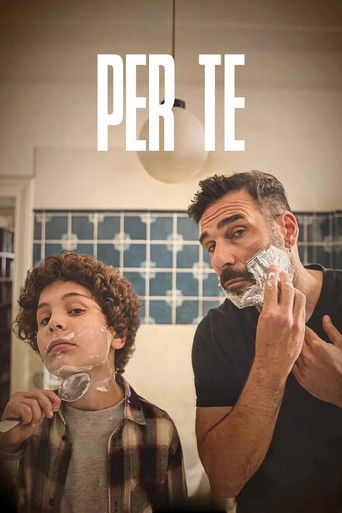
The family stories are the most affecting. Per te is about Mattia Piccoli, a boy honoured by the President of the Republic for the care he gave his father, whose memory began to fail in his forties; Edoardo Leo plays the father. Il figlio della luna follows a Sicilian mother's long effort for her son Fulvio Frisone, who was born with a severe disability and became a physicist. Sisters Forever concerns two families in a Sicilian town who learn that their daughters were exchanged at birth and choose to grow together, and Adventures Italian Style recalls three friends from Cesena who drove into Romania in 1989 with a suitcase a stranger had asked them to deliver.
Sport
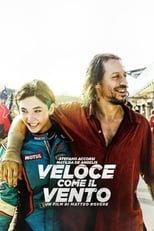
Thirteen films belong to sport, and the sport guide arranges them. Italian Race, directed by Matteo Rovere, is the most exciting. Giulia De Martino, seventeen, drives in the GT championship for her family's small team. When her father dies she is left with a little brother, a house pledged against the season's results, and an elder brother, Loris, once a rally champion, who comes home after ten troubled years. He is unreliable in every way but one: he knows how to make her faster. Stefano Accorsi and Matilda De Angelis are both superb, and the racing was filmed on real circuits. Loris's past struggles are part of the story, and the film suits teenagers and adults.
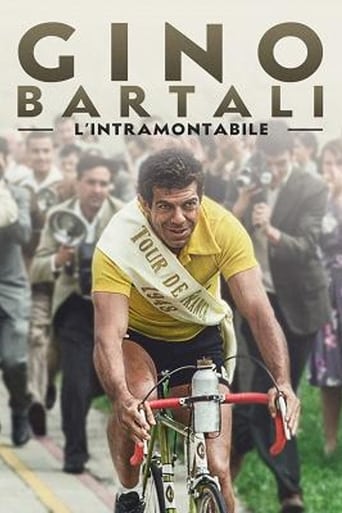
Football has four films. Baggio: The Divine Ponytail follows Roberto Baggio from a serious knee injury at eighteen to the World Cup final of 1994 and beyond. Zamora, set in the Milan of the sixties, is a comedy about a shy accountant whose new employer insists that every member of staff play in the company match; to keep his job he claims to be a goalkeeper and must quickly become one. In U.S. Palmese a Calabrian town clubs together to sign a temperamental star from the top division, and Crazy for Football - Matti per il calcio tells how a psychiatrist formed a national five-a-side team among his patients and took it to a world tournament. Bartali: The Iron Man recounts the career of the Tuscan cyclist Gino Bartali and his rivalry with Fausto Coppi, Ghiaccio is a boxing drama set on the edge of Rome in 1999, and Gol!a is a tender film about a former rugby champion whose memory has slipped back to his playing days.
Stage, screen and music
Twenty-nine films come from the theatre or concern the arts, and the stage and music guide covers them. Italian drama is well represented: besides the two plays of Eduardo De Filippo already mentioned there is Henry IV, Marco Bellocchio's film of Pirandello's play, with Marcello Mastroianni as a nobleman who has believed for twenty years that he is a medieval emperor and Claudia Cardinale as the woman he once loved, and Human Voice, a short film in which Sophia Loren, directed by her son Edoardo Ponti, performs Cocteau's monologue of a woman on the telephone in the Naples of 1950. The Great Silence, directed by Alessandro Gassmann, is set in a villa above Naples in the sixties, where a celebrated writer learns how little he has listened to his family, and The Ladies Get Their Say presents four friends at a card table in the sixties and their four daughters thirty years on.
Musicians appear in Indivisible, about twin sisters near Naples who sing at weddings and discover that they could lead separate lives, and in Margins, a likeable comedy about three friends in the Tuscan town of Grosseto who try to bring an American punk band to play in their home town. Films about film-making include Hotel Gagarin, in which five Italians are sent to a snowbound hotel in Armenia to shoot a picture whose backers have quietly gone home, and Vera, a portrait of Vera Gemma, daughter of the star Giuliano Gemma, playing a version of herself.
Italy region by region
Italian films are rooted in particular places, and the places guide follows the map. Nineteen films belong to the South. Naples supplies the plays of Eduardo, Indivisible, Hey Joe and Vittoria, a remarkable small film in which a hairdresser with three sons, moved by a recurring dream, sets out to adopt a daughter; the real family play themselves. Sicily has Strangeness, Alone With Her Dreams, Kaos, Sicily! and Caught by a Wave. Puglia has Palazzina LAF, the first film directed by the actor Michele Riondino, about a steelworker in Taranto in 1997 who is flattered into reporting on his colleagues, and Il bene mio, with Sergio Rubini as the last resident of a hill village emptied by an earthquake, who keeps its memory alive. Calabria has Mediterranea, which follows a man from Burkina Faso across the sea to the orange groves of Rosarno, a serious film for older viewers.
Rome is everywhere, from the palace of Ghosts of Rome and the Vespa of Caro diario to the building sites of Our Life, in which Elio Germano, who won the best actor prize at Cannes for the part, plays a young foreman left to raise his sons alone, and The Salt of Life, Gianni Di Gregorio's comedy of a retired gentleman in Trastevere at everyone's beck and call. Ears, shot in black and white, follows a supply teacher through one absurd Roman day that begins with a ringing in his ears. Tuscany has Virzì's Livorno and the Florence of My Friends Act II; Venice has Bread and Tulips; Milan has Zamora and the satirical Si muore tutti democristiani, about three idealistic video makers offered a well-paid commission; and Emilia has Hidden Away and Don Camillo's Brescello.
Working lives
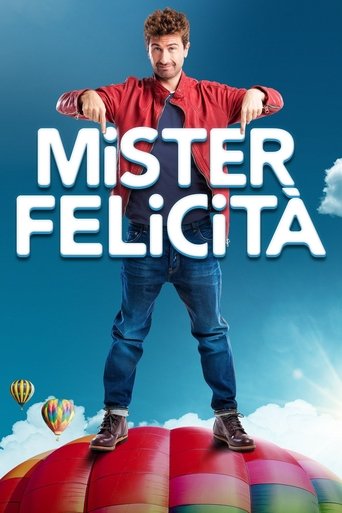
Fifty-seven films turn on a job. The office has Fantozzi, the factory has Petri's Lulù, and the surgery has Doctor on Call, in which a grumpy night doctor with a bad back, played by Diego Abatantuono, sends a delivery rider on his rounds with an earpiece. I Like to Work – Mobbing, by Francesca Comencini, is a sober and valuable drama about an accounts clerk, played by Nicoletta Braschi, who is quietly pushed aside after a company merger and finds the courage to object. On Our Watch, by the satirist Pif, imagines a near future in which a manager replaced by his own algorithm becomes a courier for the same firm. Let Yourself Go gives Toni Servillo a rare comic part as a sedentary psychoanalyst whose doctor orders exercise, and Happily Mixed Up reverses the couch, as a therapist's patients club together to cheer him up. Get Help, September, Make a Wish, set in a retirement home and Mister Happiness, in which a cleaner poses as the assistant of a motivational coach, round out the shelf.
Comedy today
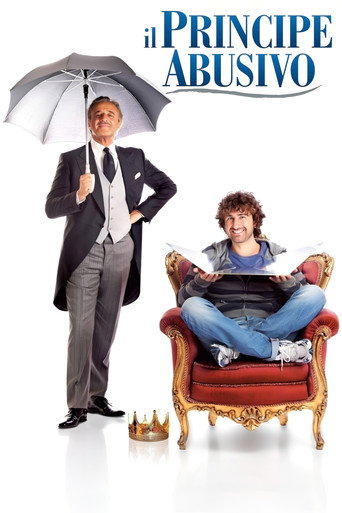
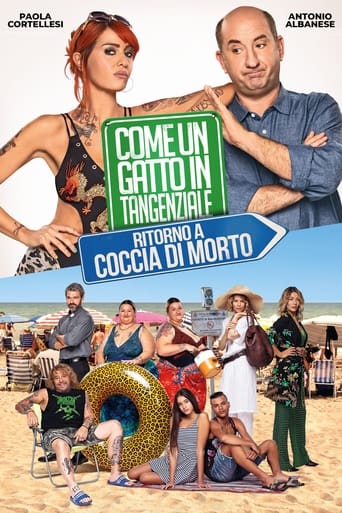
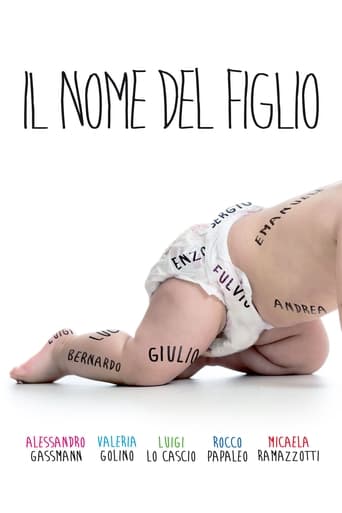
The 137 comedies are introduced in the comedy guide, and the modern ones revolve around a dozen familiar faces. Claudio Bisio is Peppino Garibaldi, a mountain librarian and fisherman chosen as head of state by a parliament that only meant to stall, in Welcome Mr. President! and its sequel Welcome Back Mr. President. Alessandro Siani, from Naples, plays a penniless charmer picked to court a princess in The Unlikely Prince and a dismissed manager who puts his home town on the map in We Accept Miracles. Paola Cortellesi and Antonio Albanese meet again in Like a Cat on a Highway 2, as a woman from the outskirts of Rome and a think-tank intellectual whose worlds collide. Leonardo Pieraccioni offers A Fantastic Back and Forth, in which a bank clerk shown the door by his wife moves into a student flat; the duo Ale and Franz stage a living chess match between rival villages in La terza stella; and Maccio Capatonda, Fabio De Luigi and Edoardo Leo each appear several times in the lists above. An Italian Name, directed by Francesca Archibugi, is a dinner party among old friends that goes off course when the host announces what he plans to call his son, and The Best Century of My Life pairs a young man seeking his birth records with a mischievous centenarian played by Sergio Castellitto.
Recent films and television
Sixty-one films date from 2020 or later, and the recent films guide picks out the best of them: A World Apart, Still Time, Hidden Away, Vittoria, Zamora, Per te and The Great Ambition are the places to start. The thirteen television films are gathered in a list of their own. Italian public television has long commissioned careful biographies and adaptations for a family audience, and several of the most satisfying titles in the catalogue come from that tradition, among them Bartali: The Iron Man, Atelier Fontana, La classe degli asini and Filumena Marturano.
Language, subtitles and a note on choosing
Every film is spoken in Italian. Services that carry the films abroad generally offer English subtitles from the language menu of the player, and a few of the best-known titles have English soundtracks as well. Listen for the regions: the soft consonants of Tuscany in Virzì and Benvenuti, the sing-song of Naples in Troisi and Siani, the clipped Milanese of Pozzetto. Film pages give the Italian title beside the English one, which helps when a service lists a film under its original name.
Most of the catalogue can be watched by all ages together. A handful of dramas deal with illness, bereavement or hardship and are better for adults and older teenagers; they are named as such in the sections above, and they include The Son's Room, The Macaluso Sisters, Mediterranea, A Second Childhood and The Last Snows of Spring. The comedies of the sixties and seventies now and then show the manners of their time, and the Spencer and Hill films settle their arguments with slapstick fists.
Search, lists and My List
The search field in the top bar answers as you type and accepts titles in English or Italian. The menu button beside the wordmark opens the full menu on any screen, and four small icon links lead straight to the popular films, the comedies, the top rated list and the classics. The finding titles page describes the twenty lists and the A to Z. To keep a film for later, press Add to My List on its page; the yellow My List button opens your saved films, which are stored by the browser on your own device, and the My List page explains how to save the list to a file.
Four evenings of Italian films
For a first week, try four evenings. On the first, a comedy for everyone: Watch Out, We're Mad or A World Apart. On the second, a romance: Bread and Tulips. On the third, a true story: Italian Race for the teenagers or I ragazzi dello Zecchino d’Oro for younger children. On the fourth, begin The Best of Youth and let its six hours fill the following weekend. After that the lists will guide you, and the classics of Totò, Gassman and Sordi are waiting.
Questions and answers
Questions
What is Cinetaro?
Cinetaro is a guide to 208 Italian films from 1960 to 2026, each with its story, cast and a Watch now button to the official services that carry it.
Which film should I watch first?
Start with Bread and Tulips, Watch Out, We're Mad or Caro diario. They introduce the gentle comedy, the family adventure and the personal diary film.
Is the catalogue suitable for families?
Yes. Every summary was read by hand, and gangster pictures, horror, erotic comedies and adult dramas were left out. A few dramas about illness or loss are marked for older viewers in the guide.
Are the films in Italian?
All are spoken in Italian, a few in Neapolitan or Sicilian, and most services offer English subtitles from the language menu on the player.
Who are the best known directors?
Nanni Moretti, Ettore Scola, Mario Monicelli, Dino Risi, Elio Petri, Pupi Avati, Paolo Virzì, Gianni Amelio and Silvio Soldini.
Are there films for children?
Yes. The Bud Spencer and Terence Hill comedies, the Fantaghirò fairy tales, A World Apart and I ragazzi dello Zecchino d’Oro are good choices.
How does My List work?
Press Add to My List on any film page. The list is kept by the browser on this device, and the list page can write it to a file.
Does Cinetaro host films or downloads?
Cinetaro is a guide only. Every Watch now button opens JustWatch, which lists the official streaming, rental and purchase services for your country.